


- Key Takeaways
- Benefits of Hiring a Second Maid in Singapore
- Who Can Hire a Second Maid in Singapore
- Costs Associated with Hiring a Maid in Singapore
- Sign 1: The Solo Maid Is Not Getting Enough Rest
- Sign 2: Your Elderly Parents’ Care Needs Have Significantly Increased
- Sign 3: The Family Is Expecting Another Child
- Sign 4: Persons with Disabilities Require More Assistance with Daily Activities
- Sign 5: There Are Tasks Around the Household That Aren’t Getting Attention
- Sign 6: The Solo Maid Is Doing Poor Work Around the House
- Sign 7: The Solo Maid Is Homesick
- How to Hire a Second MDW in Singapore
- Partner with a Maid Agency Today!
- Frequently Asked Questions (FAQ)
As family responsibilities grow, you may find that one helper is no longer sufficient. Adding a second migrant domestic worker (MDW) can help households with more taxing needs, such as infant and elderly care. Households must consider their routine and family members when hiring a maid in Singapore.
In this guide we’ll help you identify when it’s time to consider hiring another maid and provide insights on the process, costs, and benefits.
Key Takeaways
- A second helper becomes essential when your solo MDW shows visible signs of fatigue or cannot get enough rest.
- Eldercare, infant care, and supporting persons with disabilities often exceed what one helper can manage sustainably. A second helper ensures safety, attentiveness, and round-the-clock support for your loved ones.
- When household chores pile up or important tasks go incomplete, it’s a clear sign of an overwhelming workload. Adding another MDW restores order and ensures every part of the home receives proper attention.
- Declining work quality from your helper may indicate overwork, insufficient experience, or emotional strain, such as homesickness. Introducing a second helper can create a healthier working environment and provide mentorship or emotional support.
- Families experiencing significant changes, such as expecting a newborn or managing a family member’s declining mobility, benefit substantially from a second MDW.
Benefits of Hiring a Second Maid in Singapore
Hiring a second MDW offers numerous advantages, including:
- Enhanced household efficiency – Tasks like cooking, cleaning, and childcare can be divided between two helpers, ensuring nothing is overlooked.
- More focused elderly care – Having another maid in the household can provide more attentive, focused care for the elderly family member.
- Reduced stress on the existing helper – A second maid allows the first to rest adequately, reducing burnout and improving well-being.
- Support during absences – When one helper takes rest days or goes on leave, a staggered schedule allows both maids to cover the entire week for the household.
- Greater flexibility for families – Two helpers enable families to manage additional responsibilities, such as welcoming a newborn or assisting family members with disabilities.
- Growth for first-time helpers – A first-time helper may need to shadow a more senior helper to become more quickly acquainted with the maid workflow.
When hiring a domestic helper, Singapore households rely on a single MDW to reduce costs associated with salaries, levies, travel expenses, insurance, and accommodation. However, when any of the above is required, the benefits of a second maid become invaluable.
Who Can Hire a Second Maid in Singapore

In Singapore, households can hire a second MDW if the household meets specific eligibility criteria:
- Families with two children below 18 – The additional childcare and household duties required with two children below 18 merit the addition of a new helper. This ensures that children receive proper care and supervision, even when their parents are absent.
- Families caring for the elderly – The attentive care and patience required to look after the elderly (at least 60 years old) warrant adding another helper. The elderly should be either you (the employer), your spouse, parent(s), or parent(s) in-law. Having an extra set of helping hands ensures that the household’s elderly receive daily living assistance and supervision.
It’s important to note that MOM restricts households to a maximum of two MDWs. Also, MOM requires that any of the above conditions be met before hiring a second MDW. Hiring beyond these conditions is not permitted and can result in legal action and consequences.
Costs Associated with Hiring a Maid in Singapore

Employing a domestic helper requires careful financial planning. To set clear expectations, key cost components include:
- Salaries – The helper’s monthly salary is the primary recurring cost. This is compensation for the helper’s services.
- Levies – Employers must pay timely levy payments to MOM. This is $300 per month for the first maid and $450 a month for the second maid. These levies regulate the employment of FDWs and support the government’s employment and social welfare initiatives. A maid levy concession capped at $60 may apply to families with eligible children, elderly dependents or persons with disabilities (PWD).
- Security Bonds – A security bond ($5,000) ensures compliance with employment terms and MOM regulations, safeguarding both parties. The bond is refunded to the employer after the FDW’s work permit is cancelled and all employment obligations have been met, provided there were no violations. No security bond is required for Malaysian MDWs, making them a more attractive option.
- Proper insurance coverage – Medical insurance and personal accident coverage protect the MDW against unexpected medical or accident costs. MOM requires these maid insurance coverage when employing MDWs.
- Medical examination – Employers are responsible for the required medical examinations MDWs must undergo to continue working in Singapore. This includes the pre-employment checkups and periodic medical check-ups.
- Accommodation – Adequate living space is required for each helper to ensure proper living conditions for MDWs and compliance with MOM regulations.
These costs may explain why many Singapore households rely on a single MDW as much as they can. However, there will come a point when the solo maid can no longer fulfil the household’s tasks on her own, and continuing to keep the weight of the chores on her can result in MOM violations.
As such, there are some signs that your household should be hiring another helper.
Sign 1: The Solo Maid Is Not Getting Enough Rest
If your current helper struggles to take adequate rest days or shows signs of fatigue, it’s a strong indicator that a second helper may be necessary. Overworked helpers are less efficient, increasing the risk of poor work performance and disruption to household routines.
An overworked maid can also lead to more sick days and clinic visits, further reducing the household’s efficiency.
By hiring a second helper, you can schedule staggered rest days, ensuring the household continues to run smoothly even when one helper is off. This not only protects your helper’s well-being but also reduces the risk of burnout, absenteeism, and errors in daily tasks.
Sign 2: Your Elderly Parents’ Care Needs Have Significantly Increased

Caring for ageing parents at home can be both meaningful and demanding. Over time, age-related conditions, reduced mobility, and declining strength can make everyday activities more challenging. What used to be simple check-ins may gradually turn into frequent assistance, close supervision, and more complex care.
If your current helper is already handling household chores on top of this caregiving, the workload can be too much to handle. The resulting stress the single helper has to bear won’t be optimal for providing companionship and emotional support.
In such cases, hiring a second maid in Singapore can help ensure your elderly loved ones continue to receive safe, consistent, dignified, and, more importantly, focused care.
A second MDW can help evenly distribute the demands of elderly care between two maids. This division of duties reduces burnout, improves the quality of care, and creates a calmer, more supportive environment for both the elderly family member and the rest of the household.
Sign 3: The Family Is Expecting Another Child

Welcoming another infant into the household adds new responsibilities. It involves a complete rehaul of family routine and sleep schedules to accommodate the baby’s needs.
Babies need to be watched carefully. They need to be burped and closely monitored, in case a trip to the paediatrician is necessary. The home also needs to be baby-proofed to ensure the baby’s safety.
With a second helper, tasks related to childcare, such as diaper changes and meal preparation, can be appropriately divided so that a single helper doesn’t bear the full brunt of childhood challenges. This ensures newborns receive appropriate care without overwhelming a single caregiver.
The Singapore government permits a second MDW to support more focused child care. Families with two children under 18 are eligible for a second helper, providing essential support during this busy and joyful period. Furthermore, families with two children under 16 can receive levy concessions for both their maids, reducing the combined levy from $750 to $120.
Sign 4: Persons with Disabilities Require More Assistance with Daily Activities
If a household member requires additional help with daily living, a single helper may be insufficient. A second maid ensures that tasks like personal care, mobility support, and therapy routines are managed efficiently and safely.
Having an extra pair of hands provides more focused, ’round-the-clock care for PWDs. It also allows the household to maintain consistent routines for the person with a disability, improving their overall comfort and well-being.
If a family member has difficulty with any of the following and can no longer do them independently, it may be time to get another MDW:
- Eating
- Using the toilet
- Bathing and personal hygiene
- Getting up from bed or from a sitting position
- Walking
- Getting dressed
The Singapore government allows households to claim levy concessions for every PWD in their care. If a household has two PWDs, it can avail of two levy concessions. This implementation demonstrates Singapore’s care for its citizens and its understanding of the need for MDWs in such households.
Sign 5: There Are Tasks Around the Household That Aren’t Getting Attention
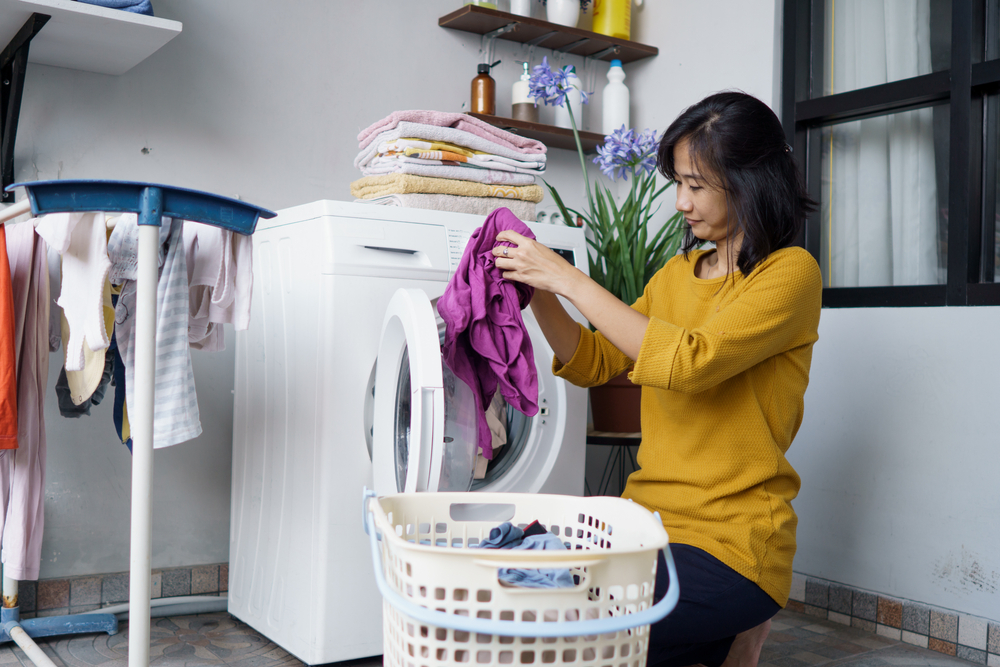
When household chores such as cleaning, laundry, and meal preparation are falling behind, it may be time for extra help. Two helpers allow a division of labour, ensuring all areas of the home get the proper focus and attention they deserve.
A second helper enables proper attention distribution, such as one maid handling laundry while the other looks after the infant. This structured approach prevents tasks from piling up, creating a more orderly system without any overlooked chores.
Having two MDWs also allows tasks to be done simultaneously (e.g., housekeeping and meal preparation), minimising the tendency for family members to be inconvenienced by an undone chore, such as an interview shirt not yet ironed.
Sign 6: The Solo Maid Is Doing Poor Work Around the House
A decline in performance may indicate the helper is overworked or inexperienced. Adding a second maid provides backup support, helping maintain an efficient household. Whether the single maid is overworked or inexperienced, an additional maid can help provide some backbone support:
- For first-time MDWs, a more senior maid can take the reins. This helps the maid with limited experience pick up tasks more quickly. This mentoring dynamic not only accelerates the learning process but also reduces the likelihood of mistakes that could disrupt household routines.
- For overworked maids, an additional maid can evenly distribute tasks. This allows both maids to have a healthy, more sustainable workflow.
With additional support, the existing helper can work more efficiently, preventing frustration and resentment. Hiring a helper to assist the solo maid fosters better morale and cooperation in the home.
Sign 7: The Solo Maid Is Homesick
Singapore can be an overwhelming environment for people from other cultures. As such, homesickness can be an aching, emotional pain for maids that they have to power through. Try as they might to hide it, homesickness will manifest as decreased performance.
It may help to have a little gift or celebration for the MDW’s arrival. However, sometimes, a taste of home is what a homesick maid needs.
For homesick maids, an additional maid, particularly one of the same culture and native language, can provide camaraderie. Having another maid the solo maid can talk to and relate to can reduce stress from homesickness and create a more welcoming environment for the maid.
How to Hire a Second MDW in Singapore
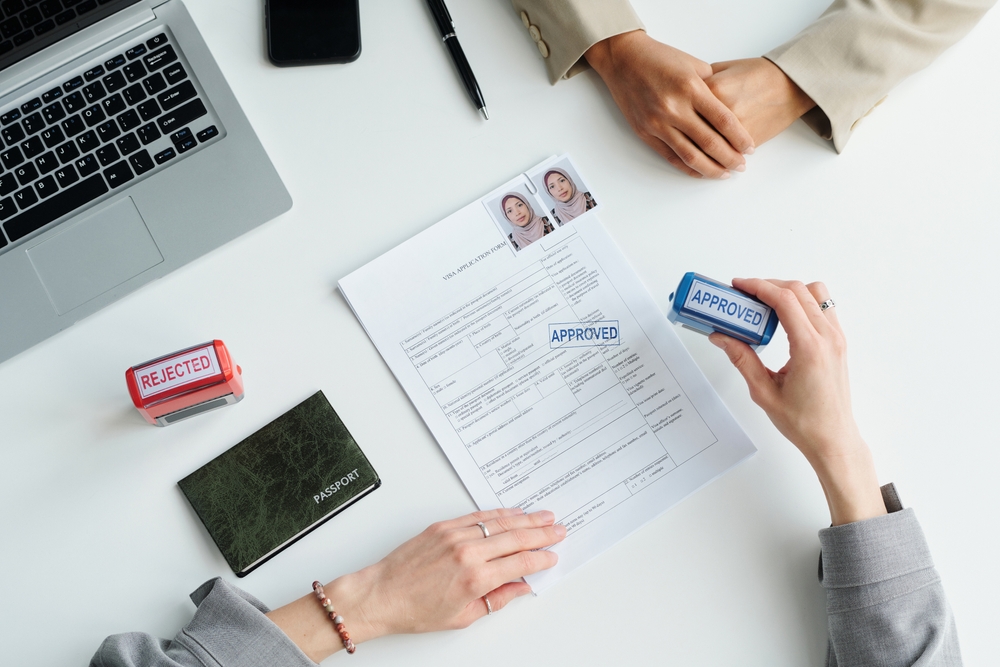
Adding a second maid involves a structured process with MOM. This applies to both overseas maids and transfer maids currently in Singapore.
- Make Sure There Is Enough Accommodation – Both helpers must have separate, safe, and comfortable living spaces.
- Submit a Work Permit Application to MOM – Ensure all legal requirements are met, and employment contract terms are clear.
- Submit the Necessary Identification – Required documents include:
- Children’s birth certificates
- Parents’ or parent-in-laws’ identity cards
- Employer’s or spouse’s birth certificate
- Wait for the Work Permit – After in principle approval, MOM will issue the helper’s work permit, allowing her to begin employment.
- The Helper Arrives – Once a maid’s new work permit is processed, they can begin working for their new employer.
Partner with a Maid Agency Today!
Partnering with a trusted employment agency like Best Housekeeper Singapore simplifies the hiring process. The agency handles:
- Sourcing experienced helpers from various countries
- Managing maid transfers and transfer MDW arrangements
- Completing all the paperwork, including security bonds, insurance coverage, and work permit applications
- Providing settling-in programmes and ongoing support to ensure a smooth transition
- Transfer helpers transitioning from one Singapore employer to another.
By leveraging a professional maid agency, employers ensure compliance with MOM regulations and avoid potential logistical and legal nightmares. Best Housekeeper employs trusted, skilled maids vetted by our team, helping you build a positive working relationship with your new maid from the start.
Best Housekeeper is in the business of creating harmonious households that are beneficial for both you and the MDW. Get in touch with us today.
Frequently Asked Questions (FAQ)
Should I assign separate roles to each helper or let them rotate tasks?
Either approach works, as long as it’s communicated clearly. Some households prefer fixed roles (e.g., one focuses on childcare, the other on housekeeping) while others rotate tasks to maintain fairness and versatility. It would be preferable, however, to rotate tasks so that both maids become familiar with all the household chores.
How long does it take for two helpers to adapt to working together?
Most pairs adjust within a few weeks, some show collaboration almost immediately, depending on their personalities and experience levels. The transition is smoother when employers introduce maids to one another early and provide clear workflow instructions.
Should I inform my existing helper before hiring a second MDW?
Yes, transparency builds trust. Informing your helper early helps them prepare for a new working dynamic. If the new helper will share a room with the existing helper, informing the existing helper early can help them prepare to divide quarters.
Can a second helper reduce the likelihood that my first helper will resign early?
Yes. Overwork and homesickness are two common causes of job dissatisfaction. Both can be eased when the workload is shared, and emotional support is available. However, check in with the first helper about any problems they are experiencing, as their decision to leave or transfer to a new employer may not be solely due to overwork or homesickness. It could be due to maltreatment, which a second helper can’t fix.
How should I schedule rest days when I have two helpers?
Most employers stagger their helpers’ rest days to ensure full weekly coverage. This setup keeps the household running smoothly while ensuring both helpers get adequate rest.